 delishing
How to Perfectly Boil Noodles on the Stove

Boiling noodles seems simple, but mastering the technique unlocks a world of culinary possibilities. Perfectly cooked noodles, whether spaghetti or ramen, have a delightful al dente texture, providing the ideal foundation for a range of sauces and dishes. The secret lies in understanding the nuances of hydration, starch release, and timing.
This guide provides the techniques for achieving consistently great results. By paying attention to the details – from water quantity to salting – you’ll elevate your noodle game and create dishes that are both satisfying and delicious. We'll walk through multiple methods, including tips to avoid common mistakes and achieve perfect doneness every time.
Understanding Noodles
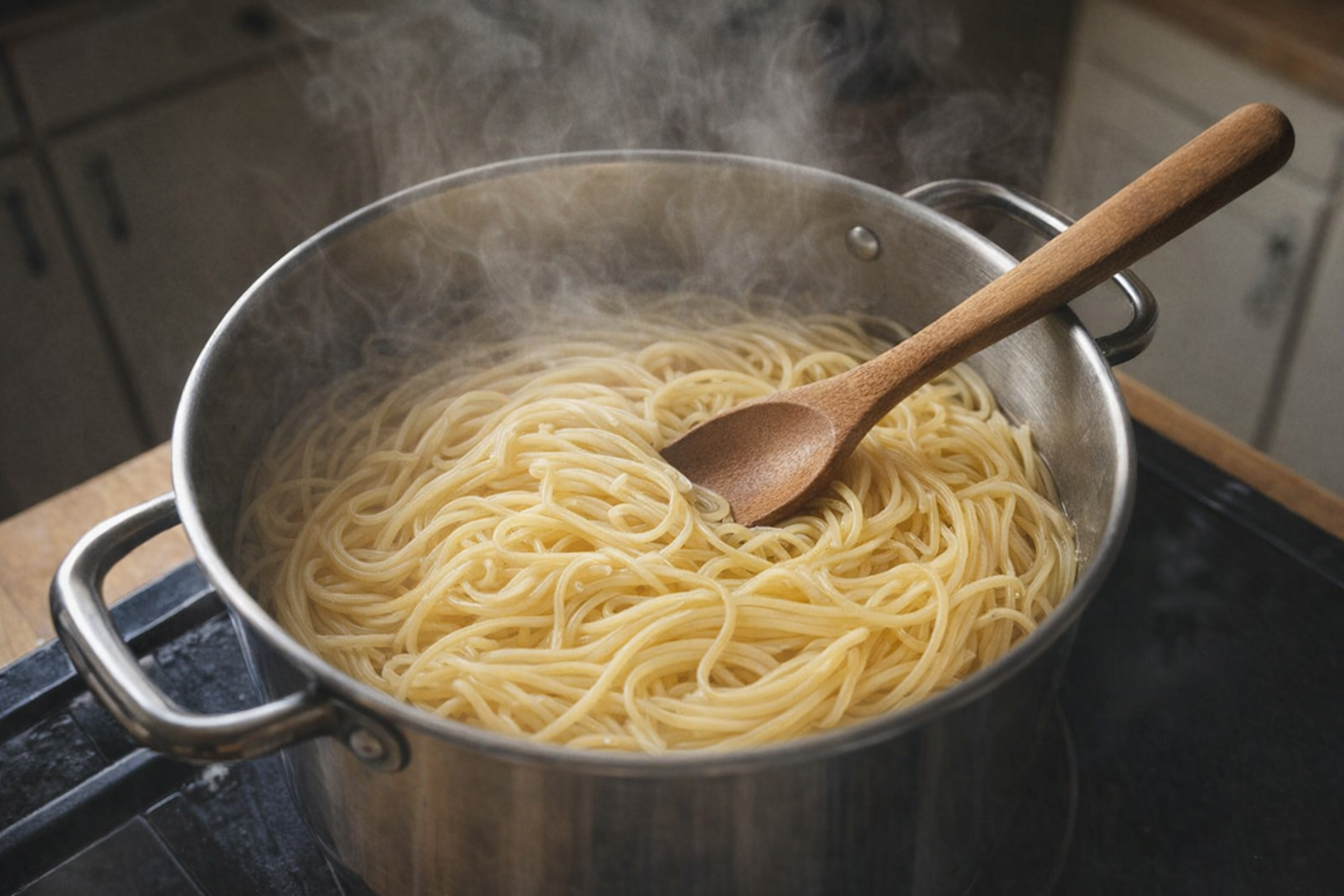
The world of noodles is vast, ranging from delicate Asian varieties to hearty Italian pasta. Each type has its own ideal boiling time and texture. For Italian pasta, look for varieties made from durum wheat semolina. Semolina provides a pleasant chewiness after boiling. Popular choices include spaghetti, penne, fettuccine, and macaroni. Asian noodles vary widely, encompassing rice noodles (thin or wide), wheat-based ramen and udon, and buckwheat soba. When buying, consider the intended dish. Thicker noodles hold up well in stir-fries, while thinner noodles are ideal for soups.
Why Cook Noodles This Way?
- Versatility: Boiled noodles are a blank canvas, adaptable to countless sauces and cuisines.
- Flavor: Properly boiled noodles absorb flavors effectively, enhancing the overall taste of the dish.
- Convenience: It's a quick and straightforward cooking method, perfect for weeknight meals.
Preparation (Mise en Place)
- Noodle Selection: Choose the appropriate type of noodle for your recipe. Check the package for any specific pre-soaking instructions (common for some Asian noodles).
- Measure Water: Using a liquid measuring cup, fill a large pot with 4-6 quarts of cold water. This ensures the noodles have ample space to cook evenly.
- Salt the Water: Add 1-2 tablespoons of kosher salt to the water. The salt enhances the flavor of the noodles and subtly seasons the water.
- Optional Oil: If desired, add 1 teaspoon of olive oil to the water to help prevent sticking, though proper stirring should negate the need.
Essential Tools
- Large Pot (6-8 quart capacity): A deep pot is essential to accommodate the volume of water and noodles, preventing overcrowding and ensuring even cooking.
- Long-Handled Spoon or Fork: This is used for stirring the noodles, preventing them from sticking together or to the bottom of the pot.
- Colander or Fine-Mesh Strainer: This is used to drain the noodles efficiently after boiling.
The Cooking Method(s)
Method 1: The Standard Boil
This method is the most common and works well for most types of noodles.
Ingredients:
- 1 pound noodles (any variety)
- 4-6 quarts water
- 1-2 tablespoons kosher salt (or sea salt)
- 1 teaspoon olive oil (optional)
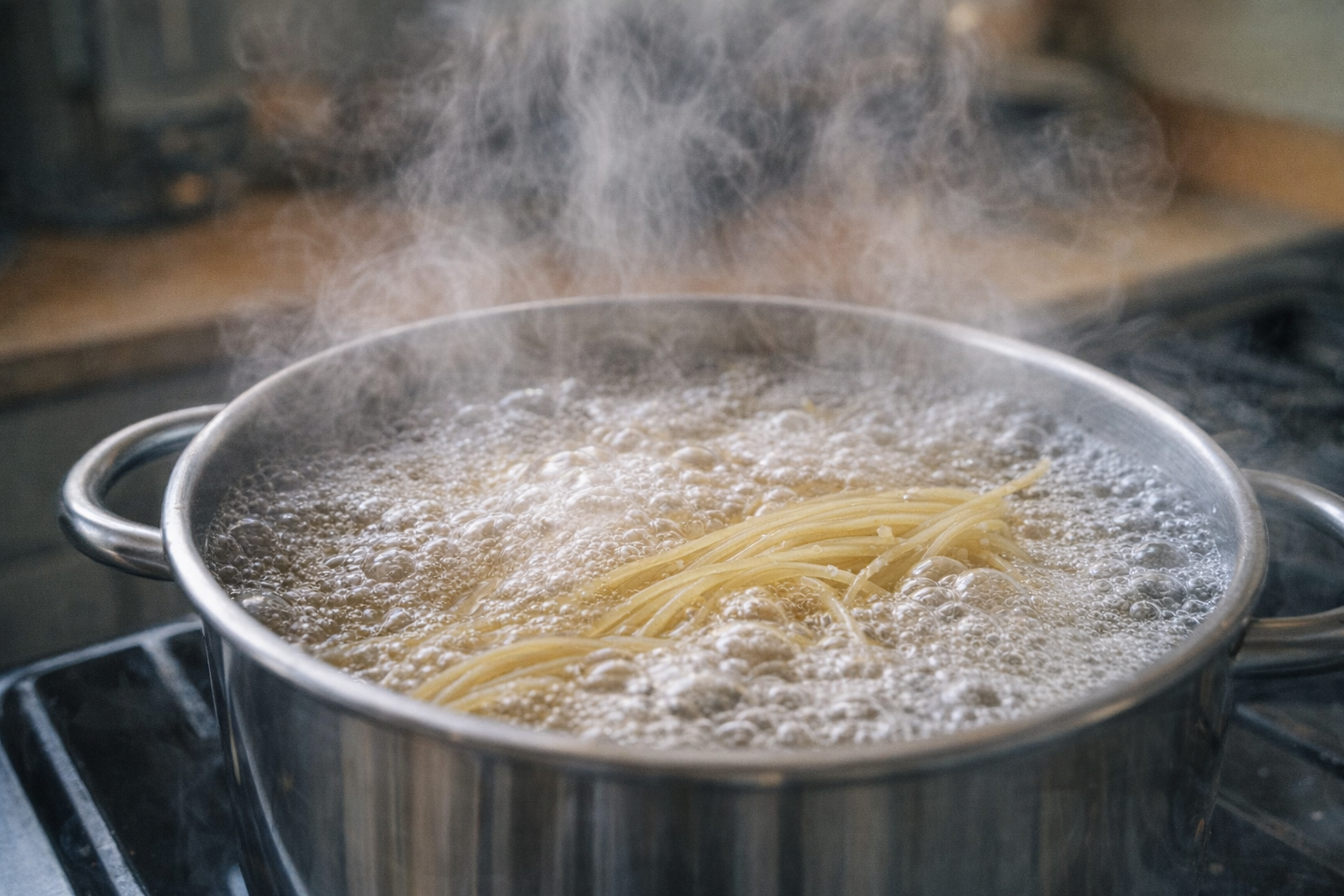
- Bring to a Boil: Place the pot of water on the stove over high heat. Cover the pot with a lid to speed up the boiling process. Listen for the water to reach a rolling boil, characterized by large, vigorous bubbles.
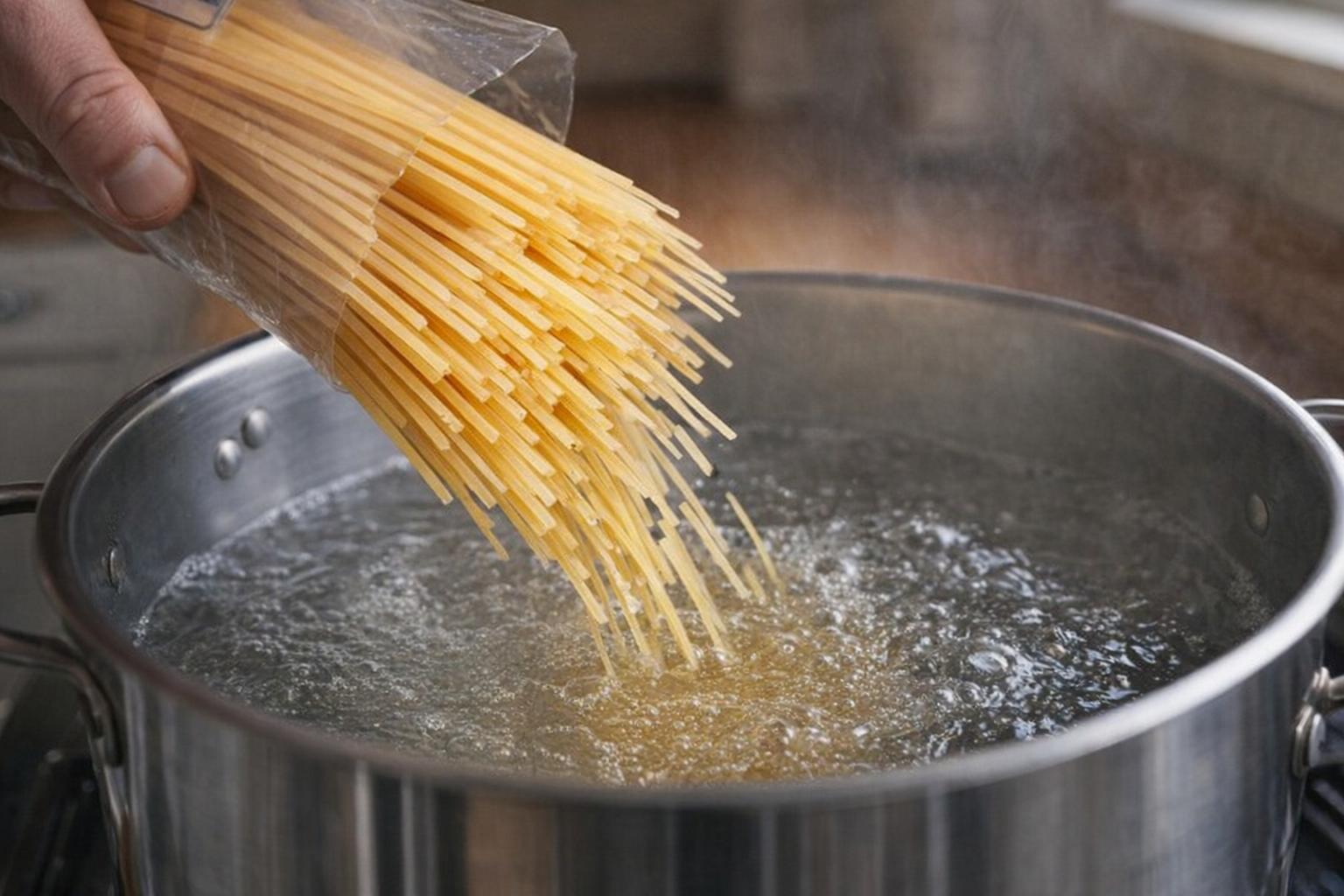
- Add Salt and Noodles: Remove the lid and add the salt to the boiling water. Carefully add the noodles to the pot, ensuring they are fully submerged.
- Stir and Cook: Immediately stir the noodles with a long-handled spoon or fork to prevent them from sticking together. Continue stirring occasionally throughout the cooking process.
- Cook to Al Dente: Cook the noodles according to the package directions, usually 8-12 minutes for pasta and 3-7 minutes for Asian noodles. The noodles should be "al dente," meaning firm to the bite.
- Check for Doneness: About 1-2 minutes before the suggested cooking time, taste a noodle to check for doneness.
- Drain the Noodles: Once the noodles are cooked to your liking, immediately remove the pot from the heat and carefully pour the noodles and water into a colander or fine-mesh strainer to drain the water.
- Optional: Add Oil: Toss the drained noodles with a teaspoon of olive oil to prevent sticking, especially if you're not using them immediately.
Cooking Time & Doneness Guide
Cooking Times (Approximate):
- Spaghetti: 8-12 minutes
- Penne: 10-12 minutes
- Macaroni: 6-8 minutes
- Ramen: 3-5 minutes
- Rice Noodles: 3-7 minutes (after soaking)
Internal Temperature: While not applicable to noodles, "doneness" is key.
Visual Cues
- Appearance: The noodles should look plump and slightly translucent when fully cooked.
- Texture: Test a noodle by biting into it. It should be firm to the bite ("al dente") with no hard core.
Tips for Perfection
- Don't Overcrowd the Pot: Use a large enough pot and enough water to allow the noodles to move freely. Overcrowding leads to uneven cooking and sticky noodles.
- Salt the Water Generously: Salting the water not only seasons the noodles but also helps them cook more evenly.
- Stir Frequently: Stir the noodles frequently, especially in the first few minutes of cooking, to prevent them from sticking together.
- Taste Test Regularly: Start tasting the noodles a minute or two before the recommended cooking time to ensure they don't overcook.
Storage & Reheating
- Storage: Cooked noodles can be stored in an airtight container in the refrigerator for up to 3-5 days. Toss with a little oil to prevent sticking.
- Reheating: Reheat noodles by tossing them in a hot pan with a little sauce or broth. You can also microwave them with a splash of water, but be careful not to overcook them.
Serving Suggestions
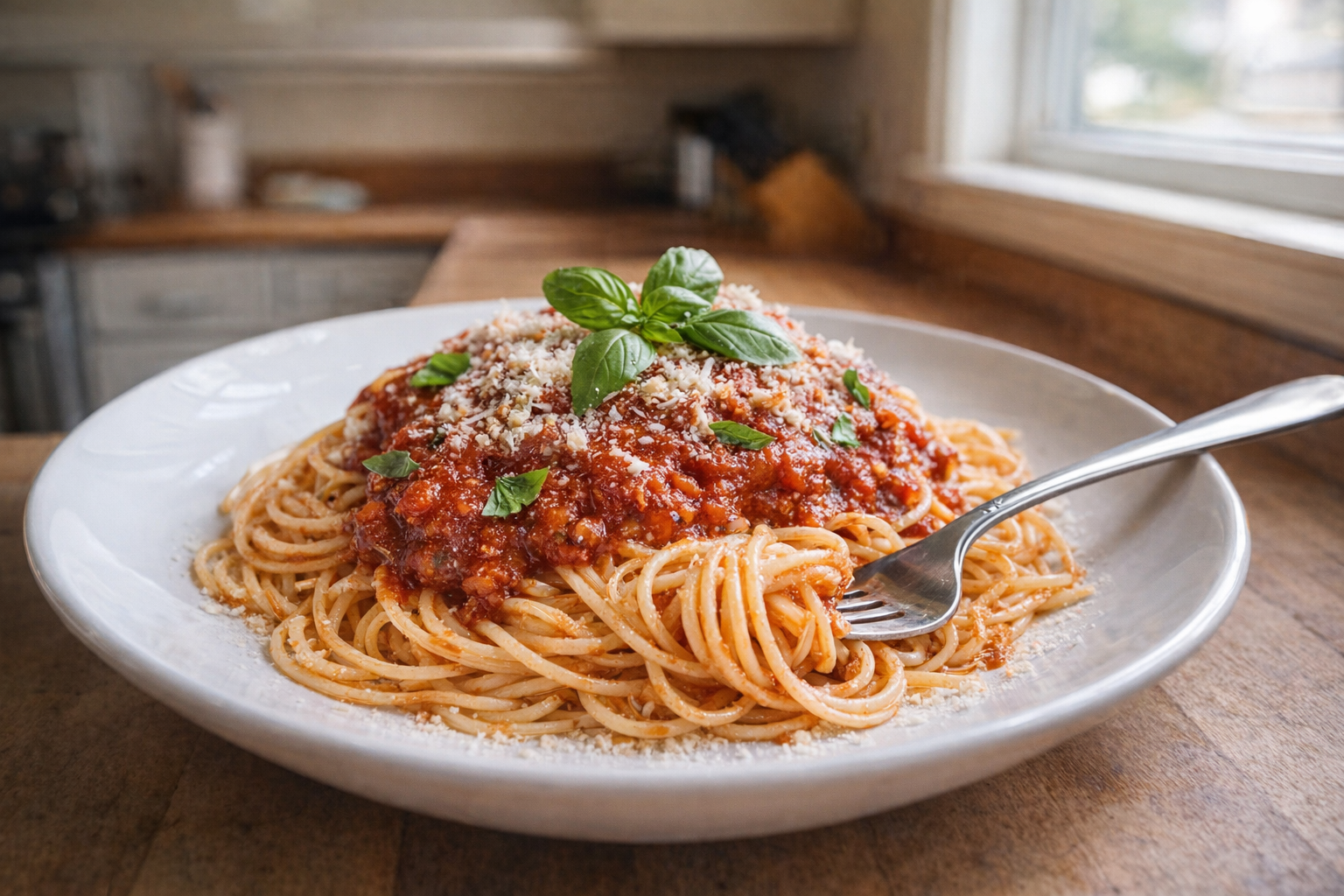
- Classic Pasta Dishes: Serve with marinara, Alfredo, pesto, or carbonara sauce.
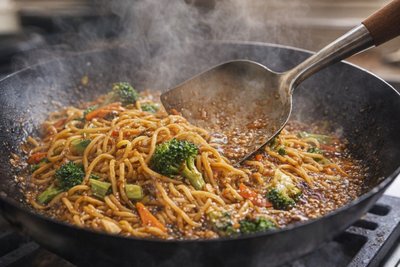
- Stir-Fries: Toss with stir-fried vegetables, protein, and a savory sauce.
- Soups: Add to chicken noodle soup, ramen, or other broth-based soups.
- Pasta Salad: Combine with vegetables, cheese, and a vinaigrette dressing for a refreshing pasta salad.
💡 Pro Tips
- Use a large pot with plenty of water and salt it generously to ensure the noodles season properly while they hydrate.
- Stir the noodles immediately upon adding them to the boiling water to prevent them from sticking to each other or the bottom of the pot.
- Begin checking the noodles for doneness two minutes before the package timer ends to achieve a perfect al dente texture.
- Save about one cup of the starchy cooking water before draining to help bind and emulsify your sauce.
- Do not rinse the noodles after draining unless you are preparing a cold dish, as the natural starches help the sauce cling to the pasta.
Frequently Asked Questions
Yes, you can substitute table salt for kosher salt. However, table salt is denser, so use about half the amount (1/2 to 1 tablespoon instead of 1-2 tablespoons) to avoid over-salting the noodles.
Make sure you're using enough water (at least 4 quarts for a pound of pasta) and that the water is at a rolling boil *before* adding the noodles. Stir them immediately after adding them and frequently for the first few minutes of cooking to prevent sticking.
Start testing the noodles about 2 minutes before the package directions suggest. The noodles should be firm to the bite, with a slight resistance in the center. It's better to slightly undercook them than overcook them, as they will continue to cook a bit when drained.
Yes, you can store leftover boiled noodles in the refrigerator for up to 3-5 days. Toss them with a little olive oil to prevent sticking, then store them in an airtight container. Reheat them by adding them to sauce or briefly blanching them in boiling water.